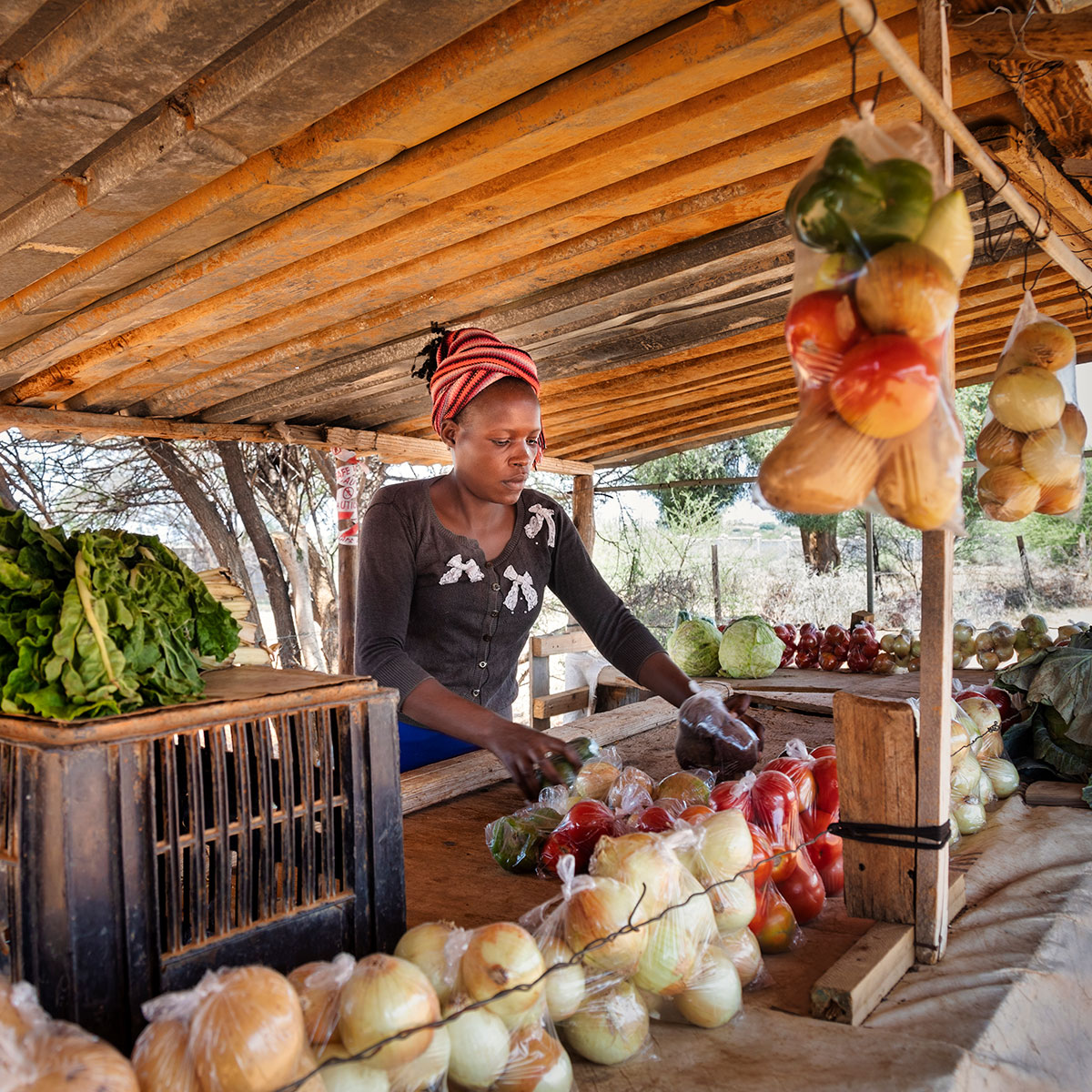
Introducing Zuza’s data-driven, Hub-centric Development Platform.
Our innovative platform combines sophisticated economic modeling, rigorous fact-finding, patient consensus-building, advanced technology, cutting-edge biology, and impact monitoring, facilitating the development and management of a converged portfolio of Nature-based, Household, and Engineered assets.
Our Convergence Platform approach will return degraded ecosystems to the productive, biodiverse, food, water, and energy producing systems they once were. This will, in turn, help local communities thrive and build resilience to ever-evolving climate challenges.
Qualifying Potential Opportunities
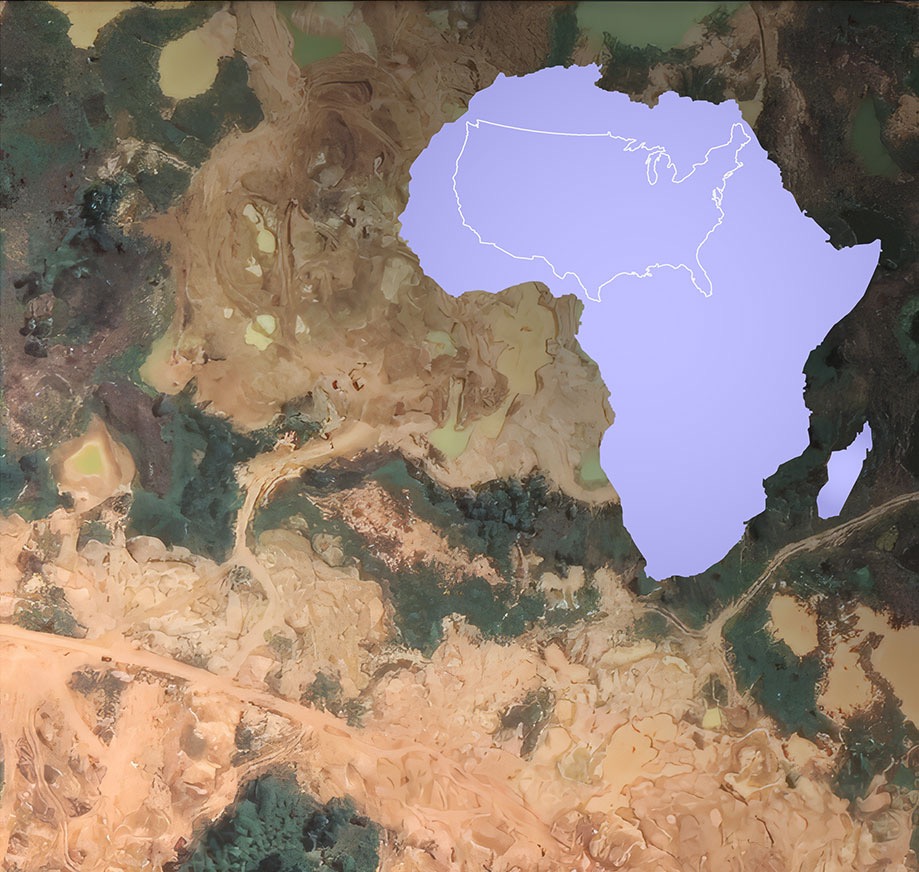
A million hectares of high potential land
We've chosen Africa because it has over 700 million hectares of degraded ecosystems and unusable land.
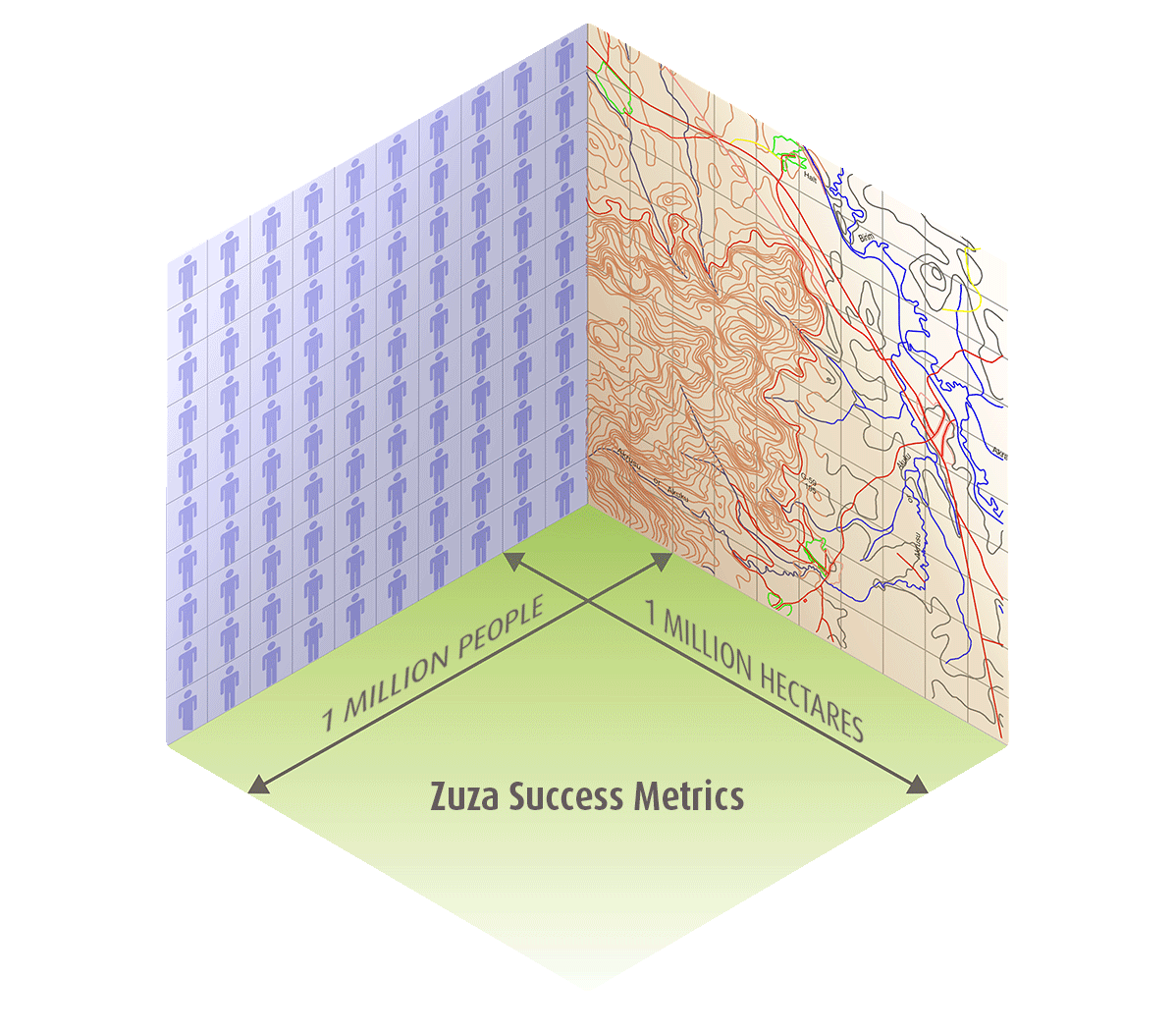
This is an area nearly the size of the continental United States. Based on this unfortunate reality, we're looking for regions with approximately 1,000,000 hectares of low-value land that are available for landscape-level regeneration. At this size, efficiencies of scale apply, unlocking high value agricultural output, and associated ecological, commercial, and social benefits. Benefits like sustainable food production, clean water, sustainable energy, permanent jobs and gender equality.
A regional population of about a 1,000,000 people
Project success is deeply linked to the social and economic vibrancy of a population.
Our success metrics require a region with a substantial and engaged populous. 1,000,000 people provides a sizable market for sustainably produced energy and climate friendly household solutions, like cookstoves. It will also provide an employment pool for suppliers building and running various projects.
Core Framework

Software
Our integrated software will power Zuza's mission at every level.
Our convergence strategy is made possible by our converged software platform. Optimized for advanced localized data gathering and analytics using AI and machine learning capabilities — this platform will help build and maintain resilience for communities and their ecosystems as they adapt to a changing climate.
Rapid pre-planning tools will let us identify the best locations for initiatives, plan each phase, efficiently design overlapping and integrated projects, monitor the builds, and track operational effectiveness and impact over decades.
In addition, it provides a mobile enabled stakeholder-dashboard that allows the community to regularly monitor progress and engage in the process — transparently.
The Hub
Introducing The Zuza Hub.
Where convergence gets down to business.
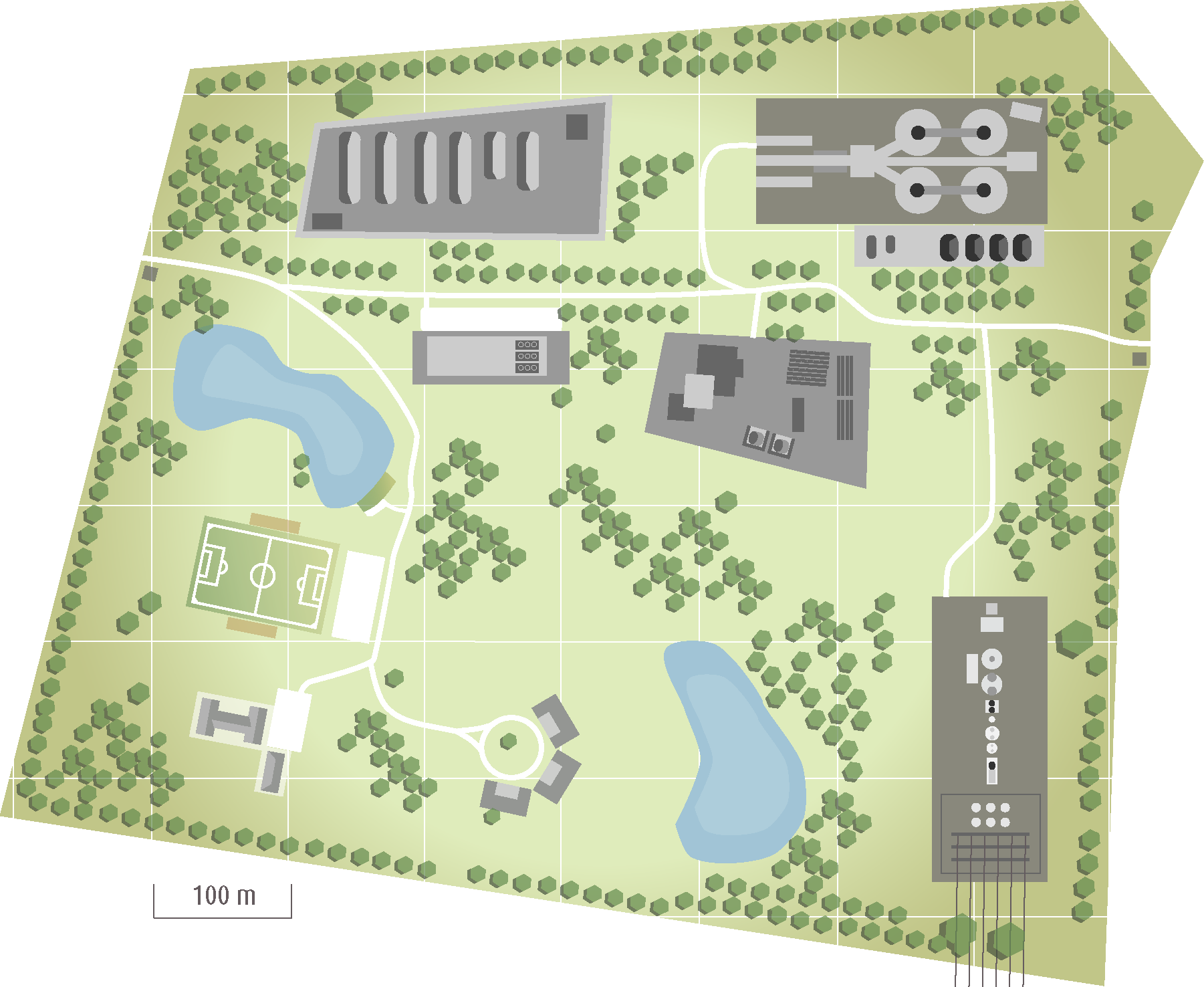
Transforming degraded ecosystems and disadvantaged local economies requires a long-term commitment. That’s why with each initiative we'll establish a 100-acre campus with multi-purpose facilities for both public and eco-industrial use, infrastructure that will support our collective efforts – plant, equipment, and material storage — and facilities for the benefit of the community as it adapts to a changing climate.
A permanent presence, manifested through the Hub, conveys to communities our long-term commitment and support. When combined with our software solution, our core framework is a practical, yet highly innovative and intelligent way to collectively build socio-economic and environmental resilience — intergenerationally.
Holistic Solution Framework

Nature-based Solutions
Much of the heavy lifting in ecosystem restoration can be accomplished with strategic use of natural remedies.
Nature-based Solutions (NbS) can rebuild degraded ecosystems literally from below the ground up — but must provide community and biodiversity benefits (like ecological corridors) at the same time.
More specifically, deploying Nature-based Infrastructure (NbI), like Agroforestry-based food systems and riverbank restoration are critical to successful development of landscape-scale regenerative food, water, and energy systems.
In addition to rebuilding healthy, resilient, and permanent ecosystems, Nature-based Removals (NbR) hold the promise of gigaton-scale carbon removal over time.
Appropriate Household Solutions
Appropriate and emerging household solutions at scale, can save time, improve health and avoid CO2 emissions at scale.
Household solutions like renewable fuel cookstoves, water purifiers, roof-top solar and sanitation facilities can help community members with food, water, and energy. Basics every person deserves to live in health and dignity .
Currently, about 900 million Africans use biomass or charcoal as the fuel source to cook meals and to boil water to make it drinkable. Women and girls spend on average 1.5 hours daily collecting wood. Cooking over an open flame leads to serious health complications. An estimated 779 million lack access to basic sanitation services, and 839 million lack access to basic hygiene.


Engineered Solutions
Emerging technologies hold promise. Our Nature-based, Hub-centric model delivers a platform ready to deploy.
Planting shorelines with a particular grass species to restore streams will also yield biomass to supply BiCRS (Biomass Carbon Removal and Storage) solutions like Biochar while also generating renewable electricity and providing a sustainable source of biofuels for cookstoves and for other uses.
Emerging technologies loom large. As direct air capture, mineralization, enhanced rock weathering (ERW) and other technologies like Bioenergy Carbon Capture & Storage (BECCS) look to make their mark, our Hub-centric model has the ready-made infrastructure, thousands of hectares of land and a sustainable biomass supply to enable rapid deployment at scale.
Multi-pronged Market Development
Local, Export and Carbon Markets
Strengthening local economies with market-based solutions unlocks permanent benefits to communities and their local ecosystems.
We believe in a market-based approach to community and ecosystem transformation that closely aligns with a community’s shared values. Like the production and sale of clean energy and biofuels for cookstoves to the local community. Or high value foods like certified organic produce that can command premium pricing in export markets. Additionally, compliance carbon finance will play a pivotal role funding certain projects, as will the emerging voluntary carbon markets in due course.