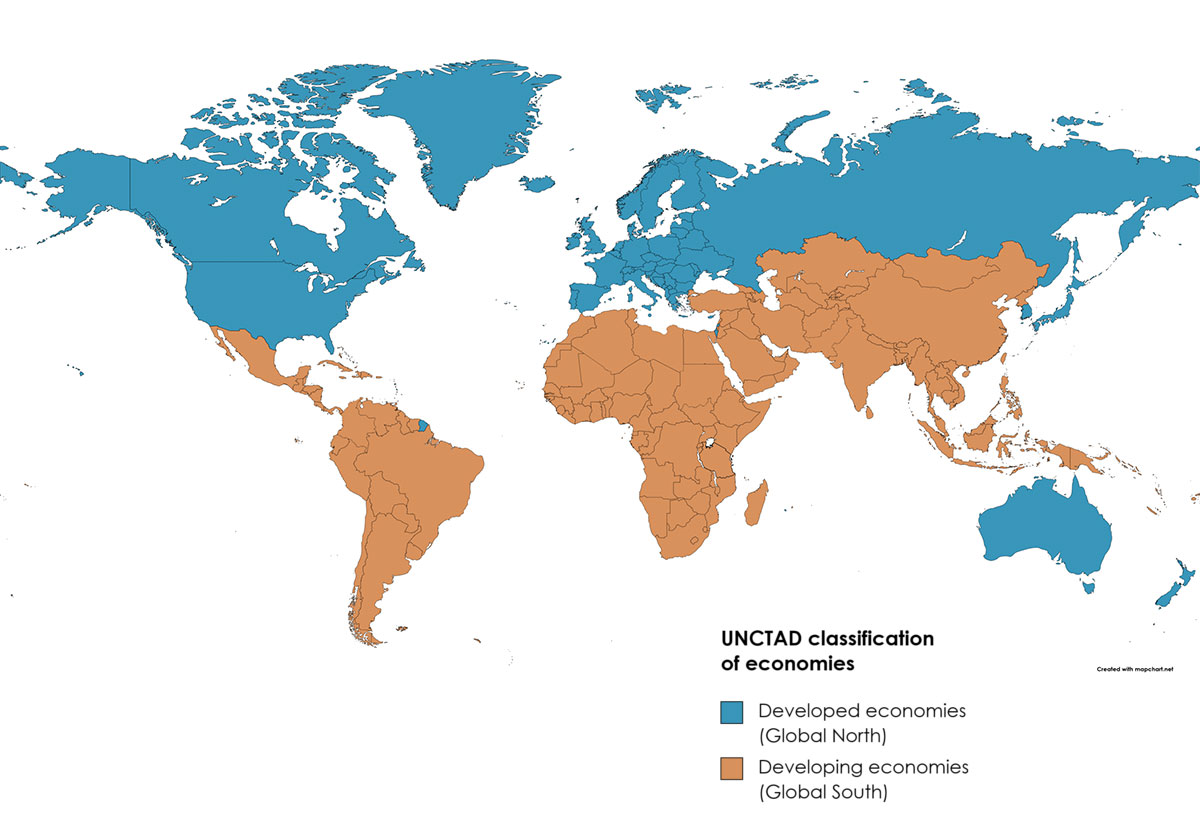
The Global North is responsible for 92% of the CO2-causing global climate change.
Yet in places like Africa, people who contribute to the problem the least, suffer the most.
The Challenges and the Zuza Approach to Solving Them
If we ignore the needs of Africa, we will put a net-zero emissions future out of reach for everyone.
It is estimated that to meet net zero carbon goals by 2050, the world needs to remove 10 gigatons of CO2 from the atmosphere. Every year.
Meanwhile, Africa's population is expected to double by the year 2050. 2.5 billion people who will need what the Global North takes for granted: clean water, food security, reliable energy.
If Africa takes the same path to industrialization as the Global North, then a net-zero emissions future will be unattainable for all.
.
But if we can deliver what Africa needs most — food, water, energy, and ecological security — we can create one of the biggest climate action and carbon removal systems on earth.
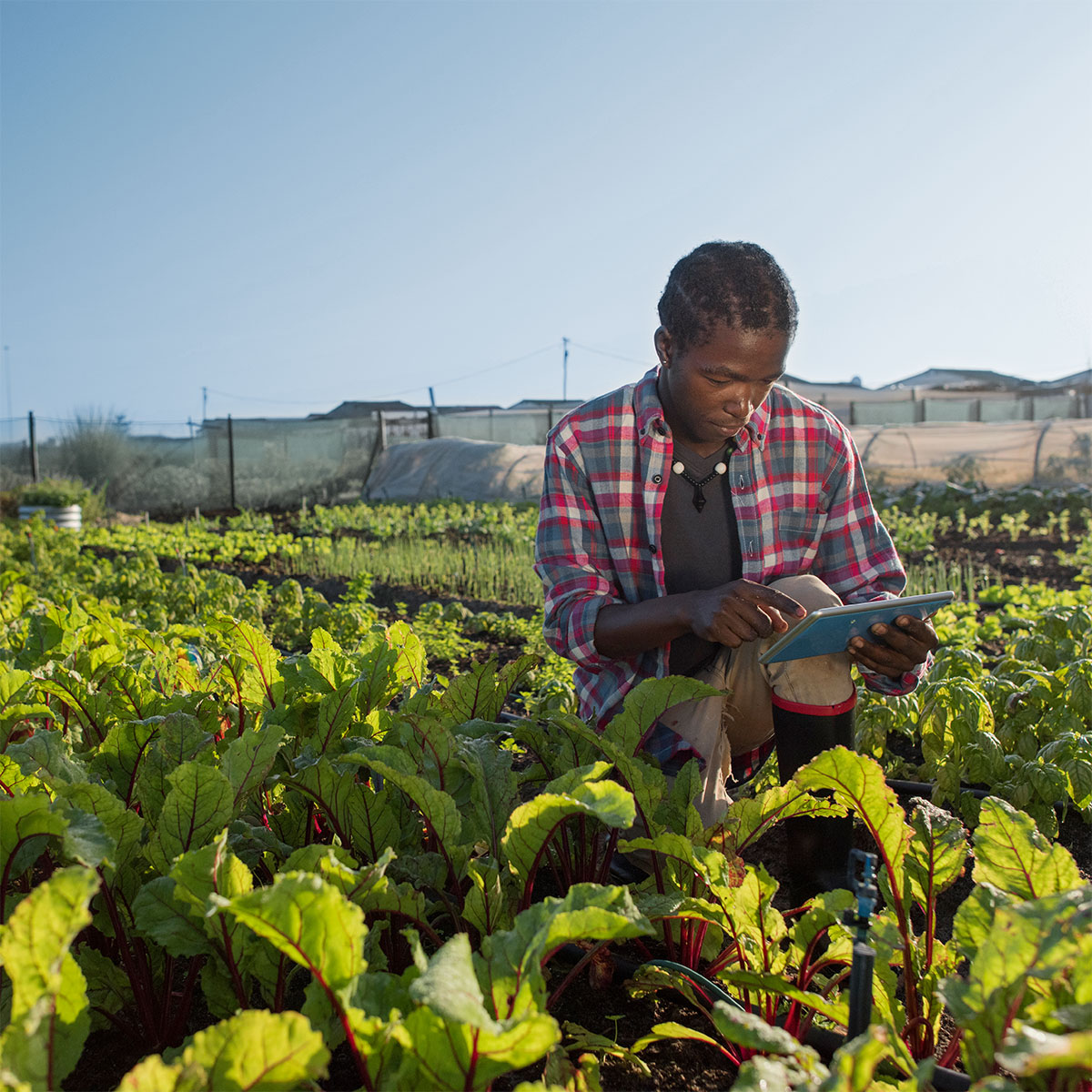
Today, Africa’s ecosystems and its 1.1 billion people are currently under enormous pressure.
There are:
- 700 million hectares of degraded, unusable land
- 600 million people, 54% of population, are without power
- 950 million people are cooking daily with wood or charcoal, a number estimated to grow to 1.67 billion by 2050
- 230 million will face water scarcity and 460 million will be living in water stressed areas by 2025
- An estimated 779 million lack access to basic sanitation services, and 839 million lack access to basic hygiene.
In addition, communities are faced with how to adapt to a changing climate — requiring solutions that are both affordable and reliable — all while facing a doubling of population over the next 25 years.
All these issues are daunting, but they’re also opportunities for market-based, data-driven solutions that are renewable and regenerative — with the potential for climate action and carbon removal at scale.
Currently, many organizations are hard at work on important projects — but in silos.
Every year more communities are approached by well-meaning developers and NGOs with specific offerings: reforestation, renewable energy, clean water, improved cookstoves. These are important projects, but not typically coordinated with each other.
This is an inefficient and unsustainable use of increasingly scarce resources.
Consequently, communities only get what is offered, not necessarily what they need.
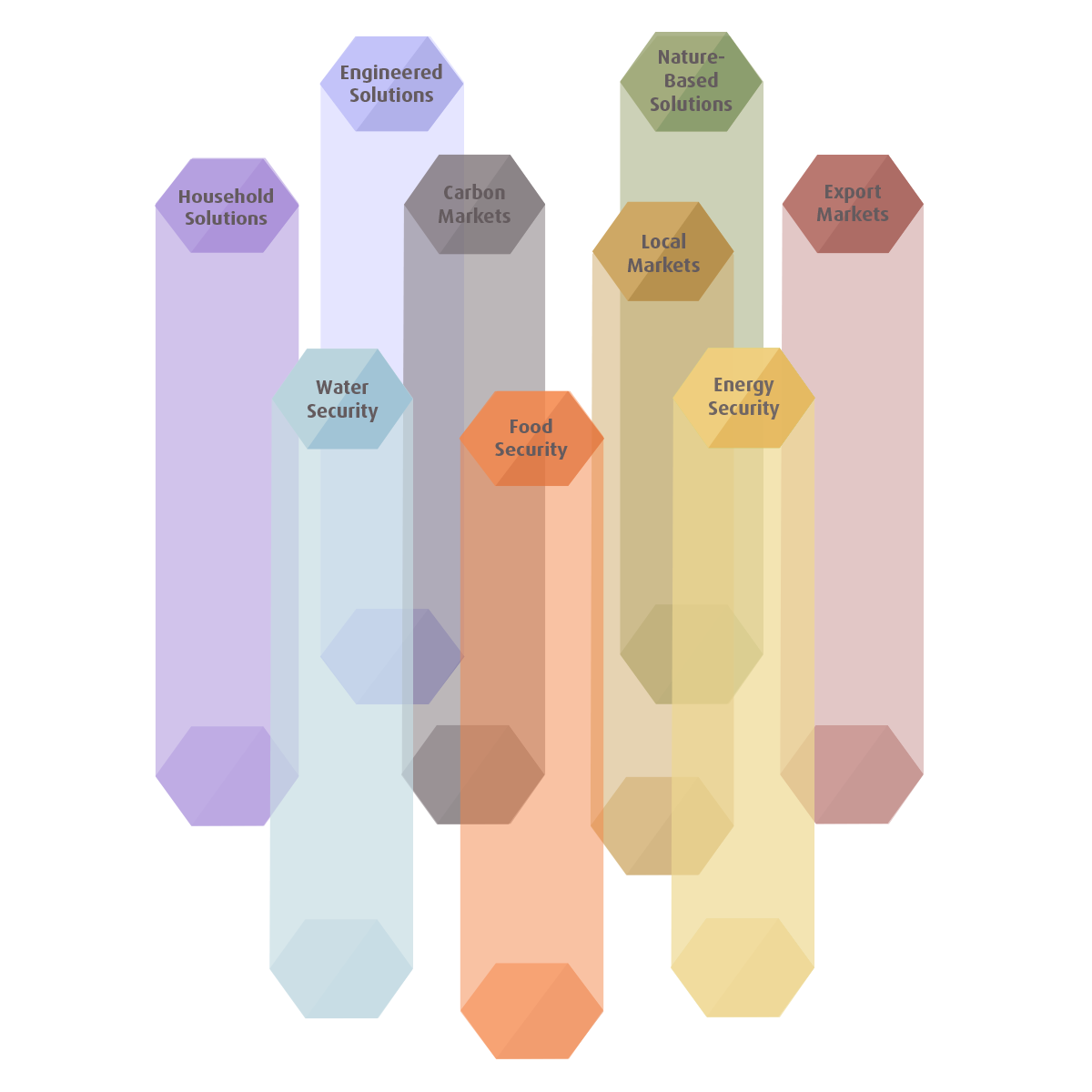
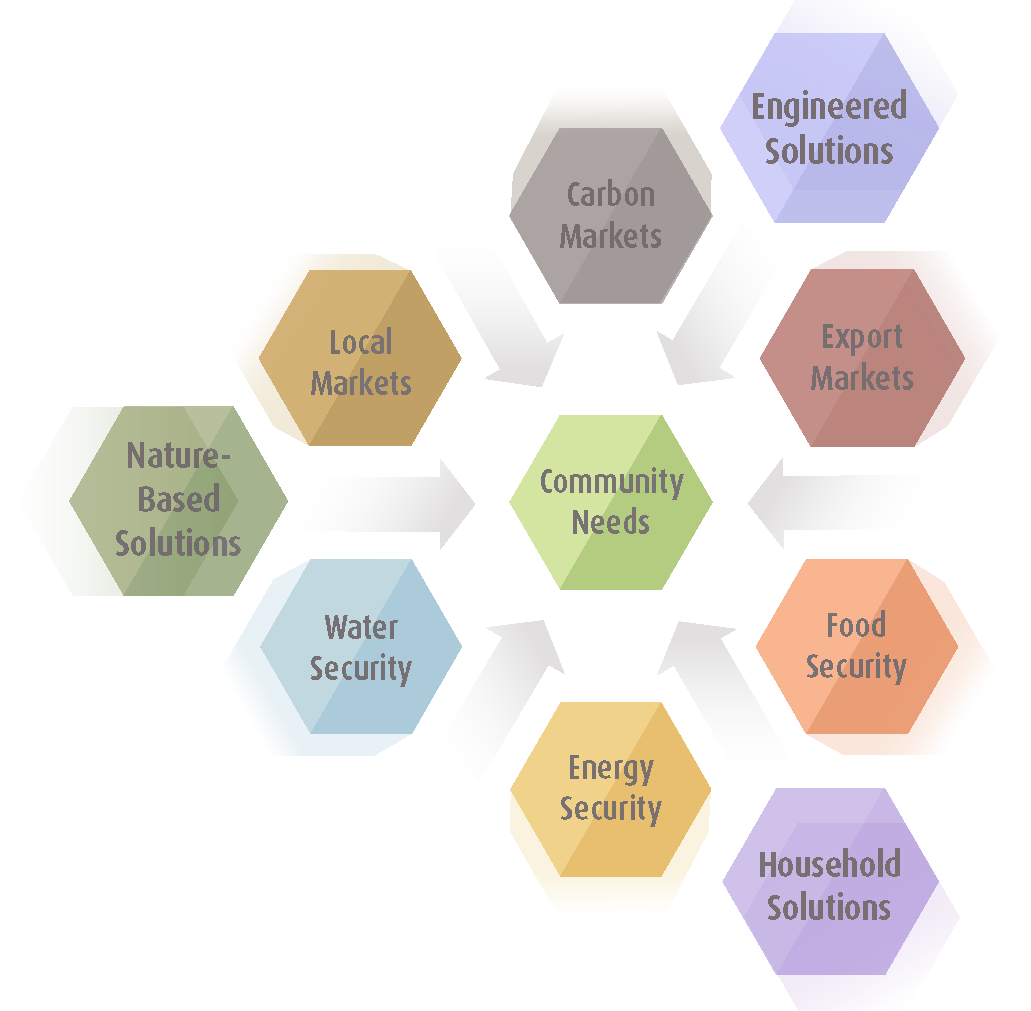
Convergence is the key to making a difference locally and globally.
Food, Water and Energy are the basic building blocks of any functioning society.
So, we thought we would keep it simple: let’s do what has worked for thousands of years.
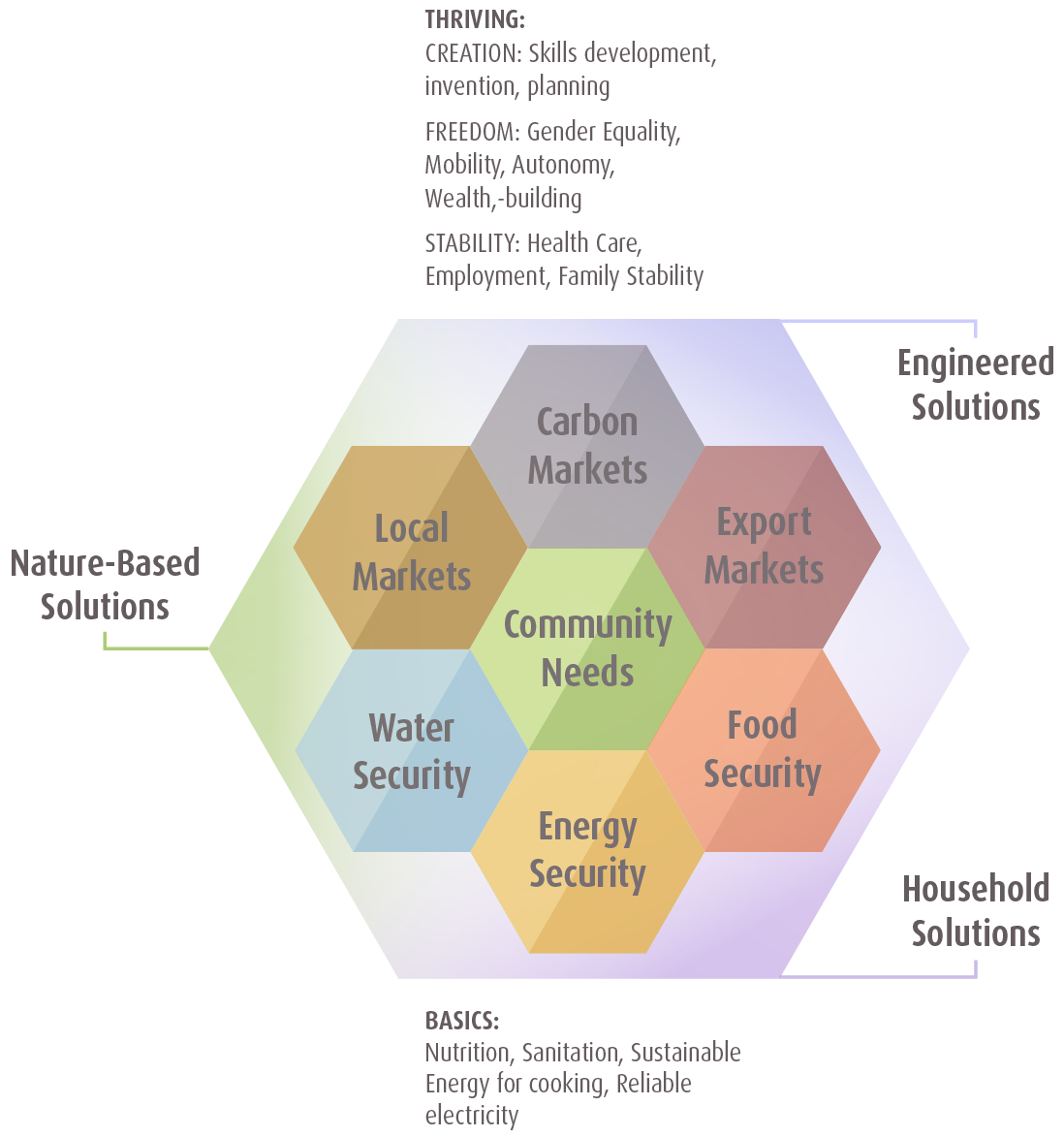
The obvious path is to work holistically, converging solutions for Food, Water, Energy and Ecological Security in a way that benefits people locally and the environment globally.
Poverty and climate change are not two separate problems.
Solving one is crucial to solving the other.
Things work best when they work together.
Taking a converged approach makes success more likely for a host of reasons:
-
It best satisfies a community’s collective, critical needs, therefore…
-
It mitigates project risks and increases revenue streams.
-
It creates thousands of permanent jobs.
-
It is pragmatic: it delivers an integrated solution set to an integrated problem set.
- It avoids unintended consequences.
-
It maximizes community impact, biodiversity enhancement, conservation efforts and climate mitigation.
-
It holds the potential for climate action and carbon removal at scale.